
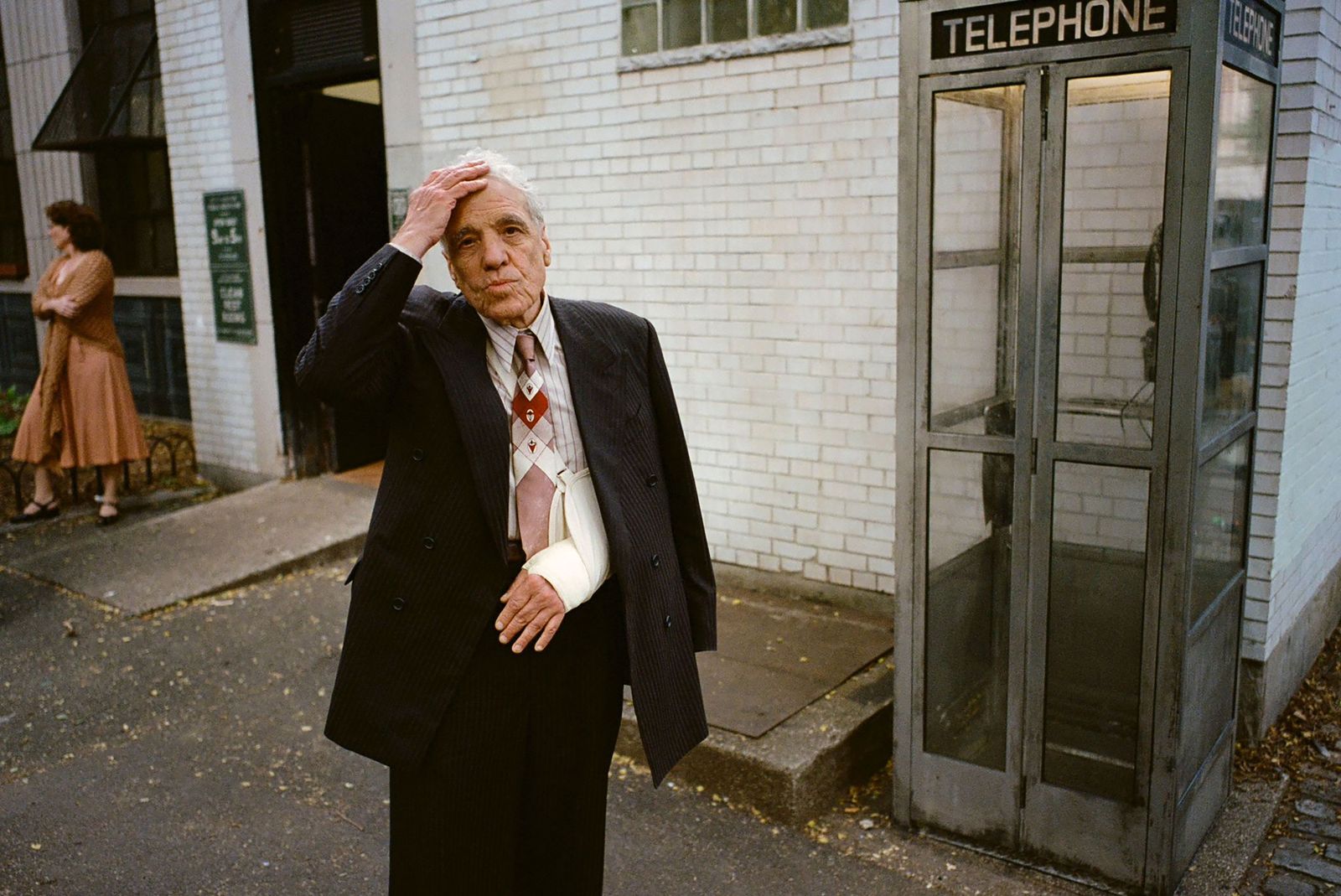
Marty Supreme is stuffed with street kids, working stiffs, midcentury aristocrats, and world-class athletes, all clad in crisp, period-accurate garb. From Marty’s boxy zoot suits to Mafia-adjacent Ezra Mishkin’s patterned tie, each garment signals who these people are, the worlds they inhabit, and what they aspire to be.
Bringing that density to life was a monumental undertaking. For the film, costume designer Miyako Bellizzi—whose previous collaborations with director Josh Safdie include Good Time and Uncut Gems—and her team had to outfit thousands of performers, including Timothée Chalamet (who plays Marty) and Gwyneth Paltrow, portraying people across multiple worlds: international table tennis teams, period-accurate crowds in Japan, attendees of black-tie uptown soirees, and those on the bustling streets of the Lower East Side.
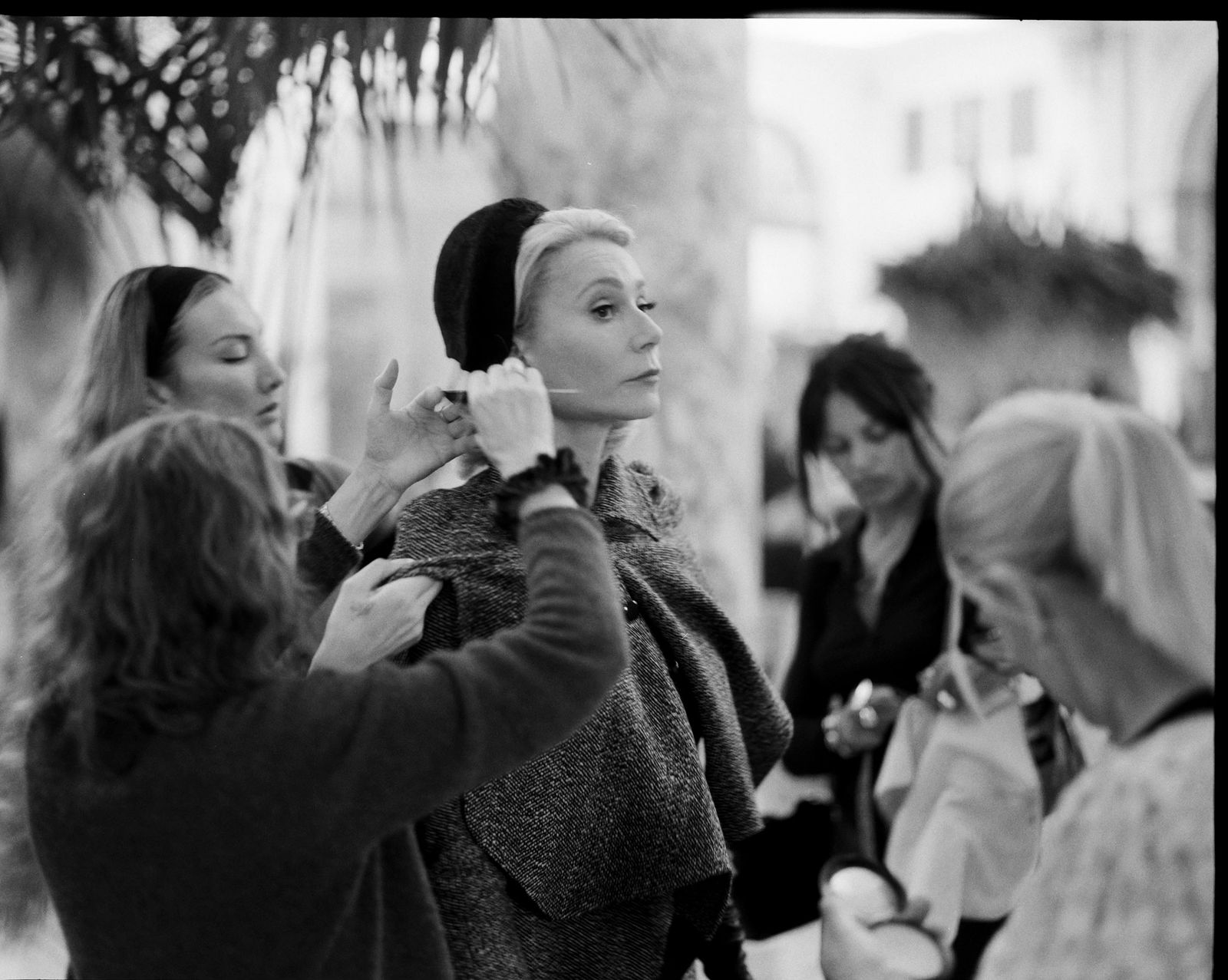
On a call from Paris ahead of a screening with Safdie, Bellizzi shares that she’s eager to see how international audiences respond to the film. “It’s not out here [yet], or in Italy, which I find surprising,” she says. “Everyone that I’ve spoken to is looking forward to it. They’re dying for it to come out.” She’s also eager to speak about her approach to authenticity, character, and the craft in building the world of Marty Supreme.
Vanity Fair: How did you first find your way into costume design?
Miyako Bellizzi: I never really thought this was a career path for me. I started in fashion, in menswear, thinking I wanted to be a fashion editor. Costume design wasn’t on my radar.
I was doing a lot of video work at Vice around 2009 or 2010. Even in our fashion stories, we never used models—we always used real people. It was almost anti-fashion in a way. One of the early films I worked on was Good Time with Josh and Benny Safdie. Right after, I did Patti Cake$, and both films went to Cannes the following year. That was a big eye-opener.
Your work feels so lived-in. It’s like these characters could just walk off the street.
I really try to keep it authentic. Working with Josh and Benny taught me so much about hyperrealism and immersing yourself fully in a world. Uncut Gems—for that, I was on 47th Street for about a year. I knew everyone on the block. I still do. You really have to be in it completely.
Marty Supreme has so many distinct worlds. How did you approach designing costumes for people in these different pockets of New York and beyond?
New York was—and still is—an epicenter of the world and culture, especially the Lower East Side in that period. That neighborhood was often the first people saw when they came in. I wanted to show the different cultures within that world.
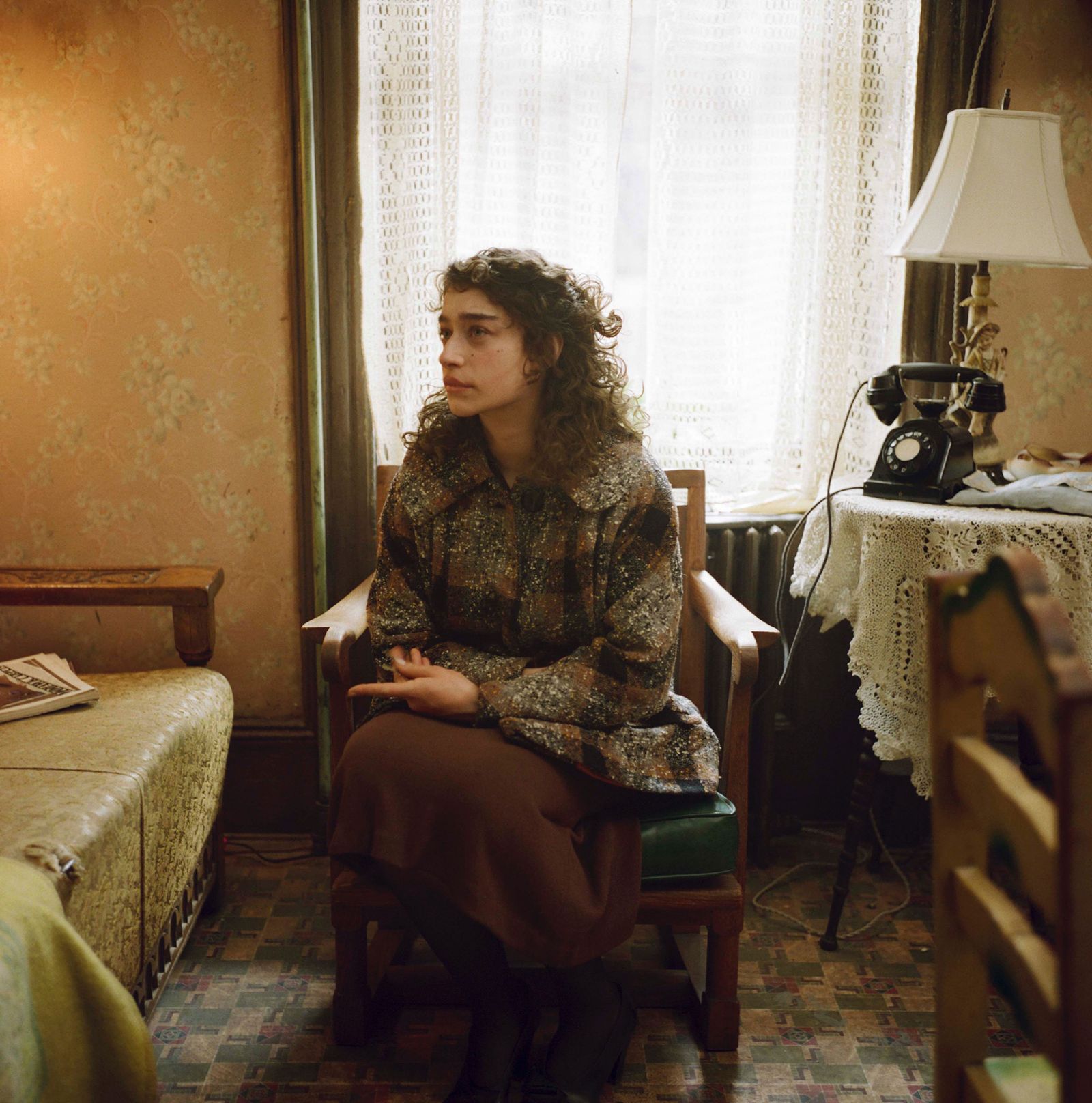
Once I got the list of countries for the table tennis players, I started researching London, Tokyo, Brazil, Eastern Europe, and how those influences informed uniforms. You see how all of that comes together in the Lower East Side, which is such a mix of everything. People there dressed differently because they were influenced by so many cultures. It’s similar to how New York is now—you see hints of Japan, hints of London. But how do you combine it all together?
How did you capture the smaller details—the ties, scarves, accessories, the way a garment fits?
Details mattered, but casting did too. Josh wanted to show types of people. The older babushka woman, the butcher, the background characters—they all had backstories.
We expressed it through character-building, wondering, What does a Chinese chef look like when he’s smoking a cigarette in the alley? You have the Eastern European women, Jewish mothers, and the influence of the Chinese community in early Chinatown. I kept a specific neutral color palette for the Lower East Side; the most colorful place was Rachel’s world.
You’ve mentioned being a big uniform collector. How does that show up in Marty Supreme?
In every film I’ve done, there is some uniform. I’m so interested in what a uniform communicates. A cook in France looks so different from a cook in 1970s New York. I find it fascinating how people dress to go to work. I study everyone. When I’m on the subway, that’s all I notice. I’m looking at everyone head to toe, and what they’re wearing tells me who they are.
In Marty Supreme, uniforms are everywhere. Marty himself is almost always in some kind of uniform. Even Kay has her own uniform. Pan Am, theater ushers, bowling alley workers—every scene had uniforms. I’m completely obsessed. I want to make a book about uniforms.
Marty’s clothes feel aspirational, as if he’s dressing for the version of himself he wants to become. His clothes are often a little too big, with wide legs and oversized shoulders—almost like a kid dressing up in men’s clothes.
Let’s just say he’s around 21. [At that time in your life], you’re thinking you kind of know everything…. You have this sense of self that’s almost delusional. You’re like, This is who I’m going to be. This is who I am. And you have no fear about it. That’s something I wanted to show in this character. He has big dreams of being the number one table tennis player in the world, and he thinks he’s already got it.
I love his coats, especially in the London hotel scene where he’s wearing nothing but the trench. Did his background in retail inform his sense of style at all?
I think the city streets gave him his sense of style, because he never wanted that job working for his uncle. It’s like being in high school and your parents forcing you to work. He’s envisioning a life for himself that’s so much bigger.
New York City is his influence. I wanted him to feel like a man of the Lower East Side, which is really a man of the world. His friendships at Lawrence’s Table Tennis Club, his best friend Wally, who lives in Harlem, and his hustler nature—they all influence how he dresses.
He grew up in a tenement building, raised by his mom and supported by his uncle. He didn’t have much, so he’s resourceful. But when he does get money, he’ll spend it all on a nice suit. All of it. Money just comes and goes for him. He doesn’t think about rent or consequences; he cares about looking good and dressing the part.
Can we talk about working with Tyler, the Creator? He’s so deeply into fashion.
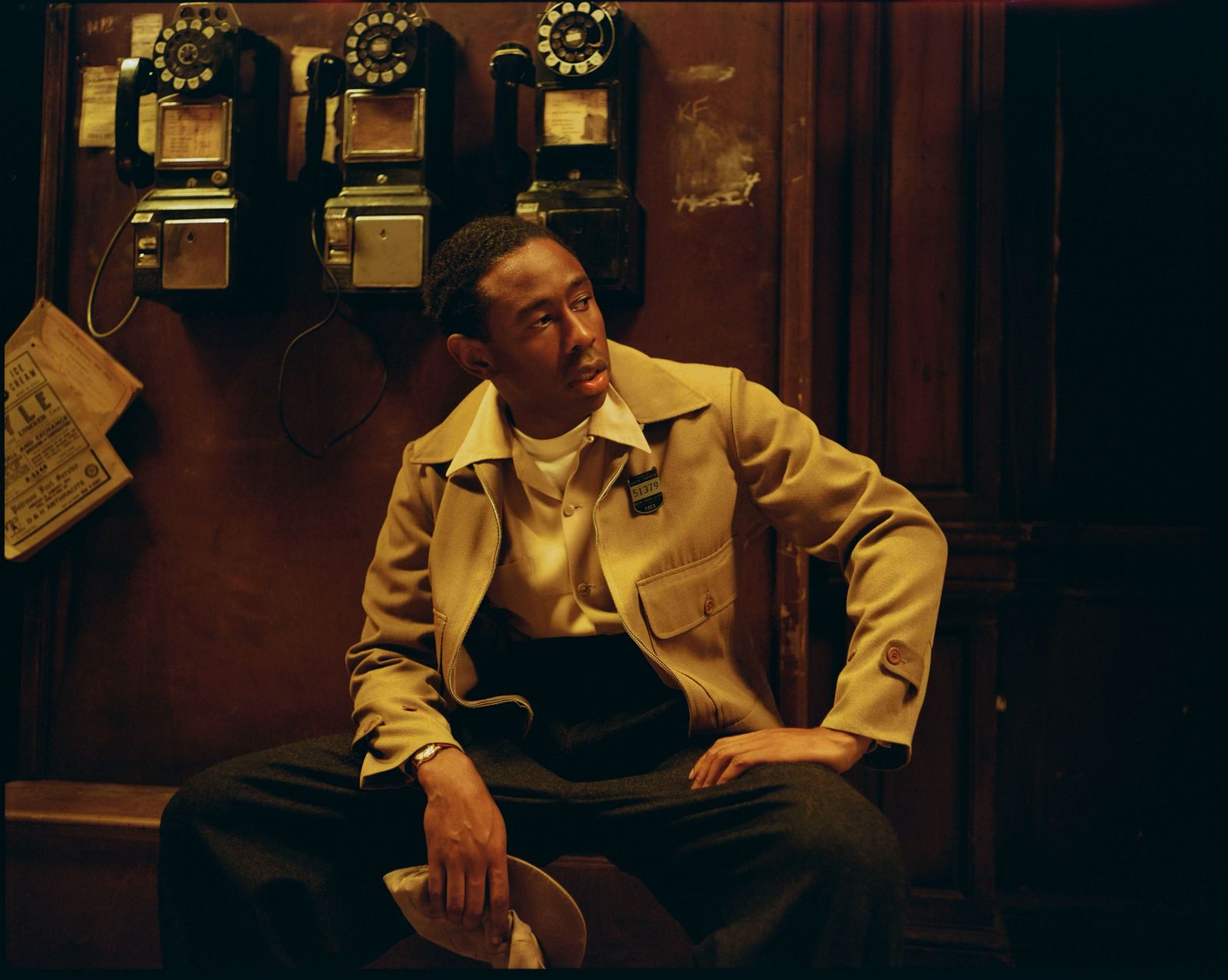
Tyler is made to do a ’50s film. This is his dream era. His personal style already reflects that—he loves the silhouettes and the shapes. He was attached early, and I knew him already. The harder part was figuring out how to take Tyler out of it and make him Wally—a Harlem taxi driver. He loved the fittings and was running around like a kid, looking through the racks, so inspired. We absolutely had a shared language. It was electric.
In Marty Supreme, Gwyneth Paltrow is playing someone legendary in the film’s world. How did you approach her wardrobe?
I had big plans. I mean, it’s almost a shame—I wish she had more outfits. I was just so inspired. She’s the opposite of Marty’s world—a sophisticated, old movie star who’s kind of past her prime, trying to reinvent herself through this theater. She only had about five main looks. I wanted to keep her really classic and chic. Tweed felt right for the first look. She’s in London, it’s winter—London, winter, tweed. Done.
Her style felt very distinct.
The difference was a big thing. She’s been in so many films and has so many iconic looks, especially from the ’90s—Great Expectations, The Royal Tenenbaums. Women of that period would be wearing fur. But because of Tenenbaums, I was like, I can’t give her mink. There’s no way. People would immediately say, “Oh, she just looks like Royal Tenenbaums,” and I didn’t want that.
So I thought a lot about how to show her wealth and status without fur. I used it a little, but not in a way that would be super realistic for the period, because of that association.
You’re often praised for your menswear, but the women in this film really stand out.
I love women. Safdie films are usually very male-heavy. I had Julia [Fox] last time and Idina Menzel, my girls, but this one had such a wide range. The scenes in Japan were especially meaningful to me personally because I’m half Japanese. The usher in the last scene—her gray skirt suit—was one of my favorites. The girls in the pink—we made all the shirts, custom-dyed, overdyed, to get them the right shade of pink.
I loved the children in the film too. They looked so adorable, especially in period clothing.
Especially in period clothing. One of my favorite scenes is at the very end, when Marty walks through a military airport and there were just so many beautiful kids in it being reunited with their dads. There are so many scenes like that where I wish you could just freeze the frame and look at everyone.
More Great Stories From Vanity Fair
Cover Star Teyana Taylor on Her Breakout Year
First Look: Meet Love Story’s John F. Kennedy Jr. and Carolyn Bessette
The Roommate Scandal That Has Downtown New York Talking
Autopsy Report: Inside the Murdoch Dynasty’s Final Moments
The 11 Best-Dressed Stars at the 2026 Golden Globes
The MAGA Dive Bar That’s Also a Church
The Life—and Shocking Murder—of Playboy Playmate Dorothy Stratten
Belle Burden On Her Family’s “Legacy of Infidelity”
Susie Wiles, JD Vance, and the “Junkyard Dogs”: The White House Chief of Staff On Trump’s Second Term
From the Archive: Hitler’s Doomed Angel


